

After more than two and a half years of near-constant bombardment, people in Gaza are now facing a deepening shelter crisis.
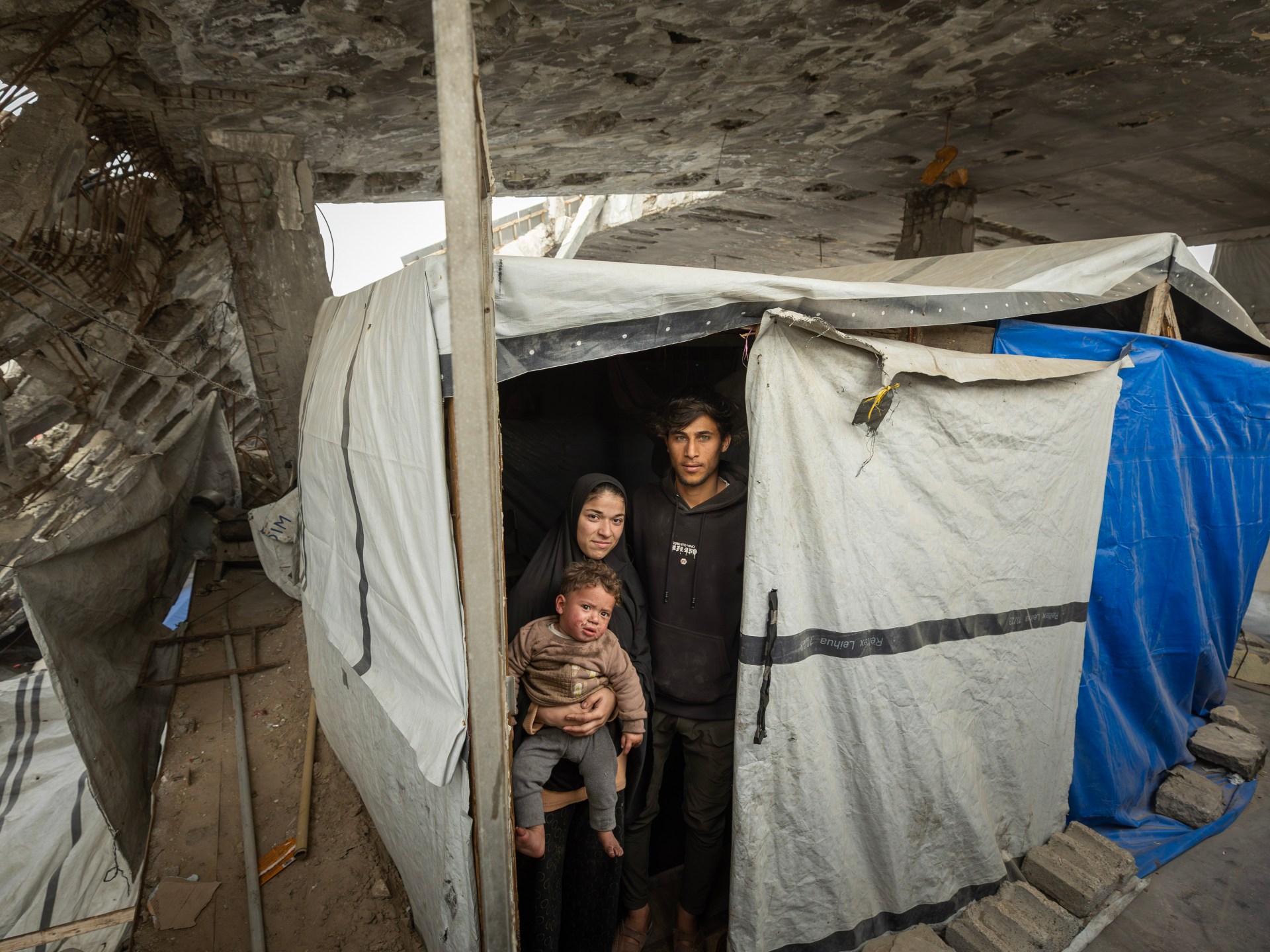
The scale of physical destruction is estimated in the tens of billions of dollars, but the reality is measured in human terms: households without water or electricity; children sleeping in torn tents; and rodents breeding beneath nearby rubble.
More than 92 percent of homes have been damaged or destroyed by Israel’s war, according to the United Nations.
Families are erecting shelters wherever they can, pitching tents on the ruins of their houses, sealing off collapsing mosques with plastic sheeting, or stitching together makeshift structures from whatever materials are available.
At least 850,000 people require emergency shelter assistance, lacking even basic items such as plastic sheeting, rope and plywood, according to the Palestine Shelter Cluster.
Continuing Israeli restrictions on the entry of critical materials needed to replace, repair and reinforce shelters are preventing humanitarian organisations from responding at the necessary scale.
Shelter needs were already severe following a six-month blockade before the October 2025 ceasefire.
Related News

Emir of Qatar receives condolences on the death of the Father Emir
Russian missile and drone attacks kill at least eight in Ukraine

Australia, India strike deal on uranium exports during PM Modi’s visit