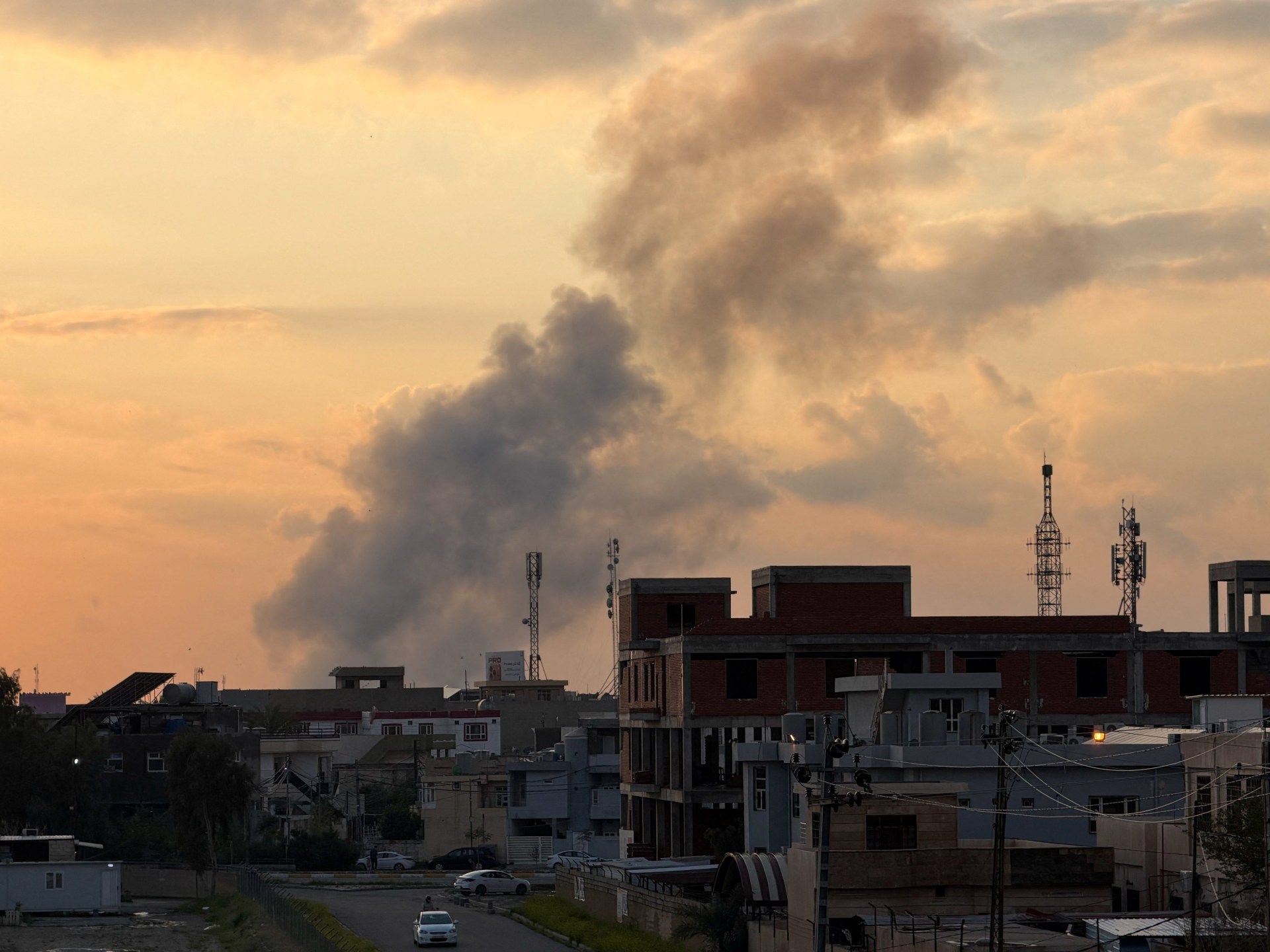


Kuwait says a power and desalination plant has been hit by an Iranian attack, as Gulf countries continue to face heavy retaliatory strikes on the 35th day of the United States and Israel’s war on Iran.
Authorities in Kuwait said the plant was struck before midday local time on Friday. The extent of the damage is not yet known.
- list 1 of 4GCC chief urges UN to halt Iranian attacks, protect Gulf waterways
- list 2 of 4Can the US seize Iran’s enriched uranium – and what are the risks?
- list 3 of 4Children’s hospital in Tehran keeps hopes and smiles alive during war
- list 4 of 4Can Russia help fill the global energy gap?
end of list
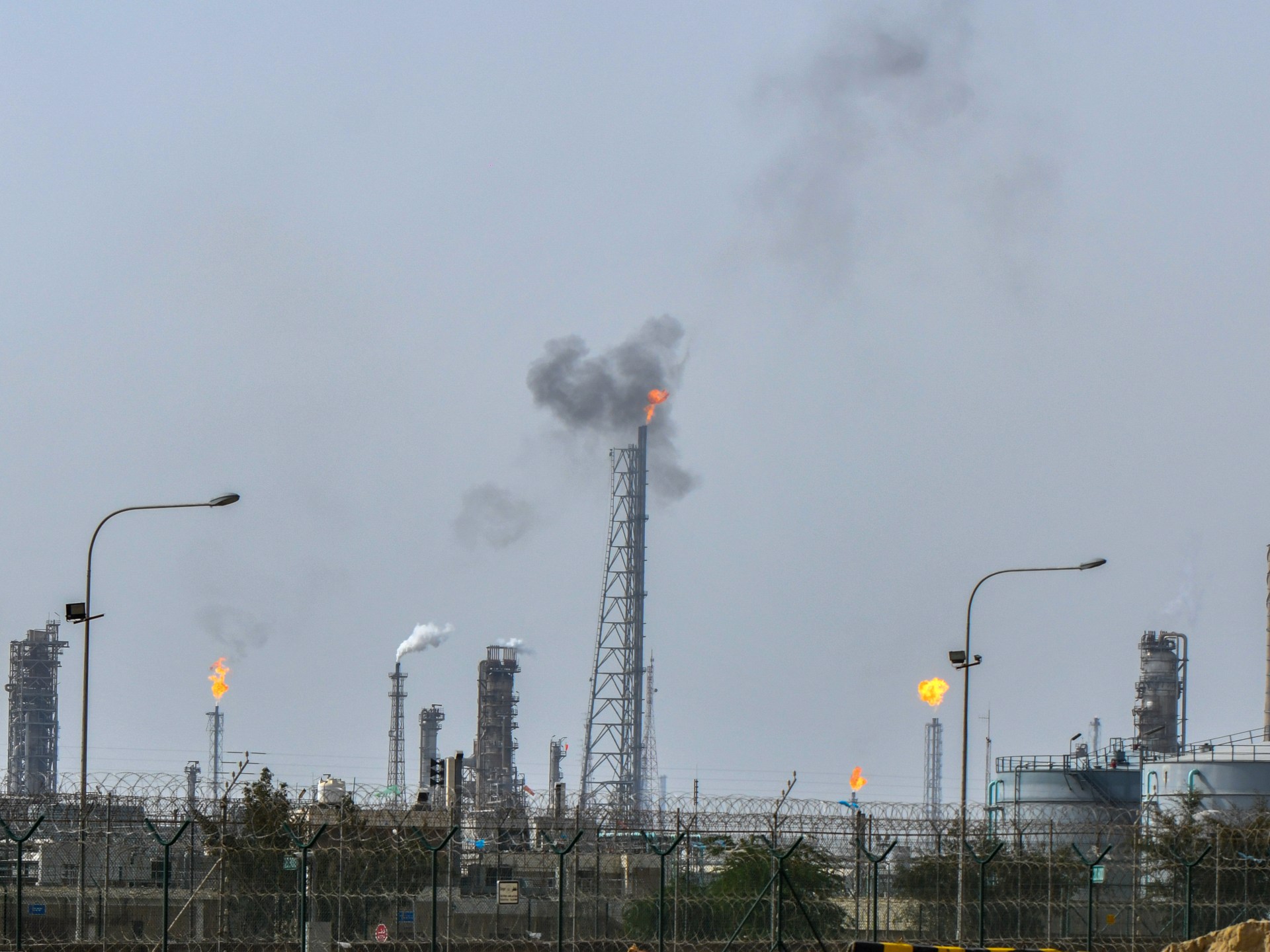
The attack came hours after the Mina al-Ahmadi oil refinery was targeted in early morning drone strikes, state news agency KUNA reported, saying the attack led to the outbreak of fires in a “number of operational units,” but that no employees were injured.
Emergency and firefighting teams were sent to the scene and environmental authorities were monitoring the area around the refinery to track air quality, KUNA reported, with authorities denying rumours of a possible radiation leak.
Al Jazeera’s Malik Traina, reporting from the capital, Kuwait City, said this was the third time the refinery was hit and that people across the country are on “high alert”.
“It’s one of the biggest refineries in the Middle East, and it is also critical for local consumption,” he said.
Kuwait “is the closest country to Iran – just 80 kilometres separates Kuwait from Iran’s coastlines, so it’s perhaps the most easily targeted from these attacks from Iran,” he added.
In an early post on X, KUNA warned that “hostile missile and drone attacks” on Kuwait were under way. Sirens and midair explosions occurred and interceptions of Iranian missiles were heard across the country on Friday, the agency reported.
Advertisement
Kuwait and much of the Gulf are highly dependent on desalinated water. An Indian national was killed on March 30 after a Kuwaiti power and desalination plant was hit. Iran denied claims it launched the attacks and blamed the hit on Israel.
Elsewhere on Friday, the United Arab Emirates’ defence ministry said the country was battling a new wave of alleged Iranian missile and drone attacks.
Debris which fell from an intercepted projectile caused a fire at the Habshan gas facility, a major Emirati gas processing complex, the Abu Dhabi media office said on X, adding that “operations have been suspended while authorities respond”.
UAE air defences intercepted 19 ballistic missiles and 26 drones on Thursday alone, the defence ministry said in an X statement – just a fraction of the hundreds of missiles and thousands of drones Tehran has allegedly targeted the country with since the war was ignited by the US and Israel.
At least two service members have died, and 191 people of different nationalities have been injured in the UAE, authorities said.
Saudi Arabia also said it destroyed a drone in its airspace overnight, while Bahrain sounded missile alarms three times, according to the Anadolu Agency.
Tehran also appears to be making good on earlier warnings to hit major US technology firms in the Gulf as attacks on its territory continue.
Iran’s state-run IRNA news agency reported on Friday that Tehran targeted an Oracle data centre in Dubai in retaliation for US-Israeli strikes that injured former Foreign Minister Kamal Kharazi and killed his wife on April 1. However, the Dubai Media Office countered the claim in a post on X and alleged it was “fake news”.
Earlier on Monday, Amazon Web Services confirmed that two of its data centres in the UAE were “directly struck” and that a third in Bahrain was damaged by a nearby drone strike.
The attacks appeared to have resulted in localised and limited disruption to AWS’s servers, The Associated Press news agency reported.
Iran’s army spokesperson Ebrahim Zolfaghari warned of impending attacks on regional power plants even as US President Donald Trump warned of intensifying strikes on the country’s infrastructure.
If the US continues to threaten strikes on Iranian power plants, Tehran will begin targeting regional energy infrastructure and information and telecommunications companies with American shareholders, Zolfaghari said in a video posted on Friday by state-run Press TV.
Related News
Lebanon’s Aoun warns Israeli attack on bridge ‘prelude to ground invasion’
Iran attacks cut 17% of Qatar’s LNG capacity for up to 5 years: QatarEnergy

Costa Rica to accept 25 deportees per week under Trump deportation effort