

El Salvador plans to send more than 2,000 soldiers to Haiti to search for four missing Salvadoran aviation technicians and fight armed gangs, as the Caribbean country postpones its elections again.
El Salvador‘s Ministry of Foreign Affairs announced the deployment on Wednesday, the same day Haiti’s electoral authorities moved the first round of presidential and parliamentary elections from December 13 to July 18, 2027.
- list 1 of 2Search under way for four soldiers missing after gang attack in Haiti
- list 2 of 2El Salvador’s Bukele threatens Haitian gangs over abducted soldiers
end of list
The delay is another setback to restoring elected government in a country where gang violence has made preparations for voting dangerous.
The four Salvadorans disappeared on October 18 after armed men ambushed their vehicle in Croix-des-Bouquets, east of the capital, Port-au-Prince.
They were serving with an international security mission supporting Haitian police.
President Nayib Bukele has already sent troops to help find them.
In an October 21 post on X, written in Haitian Creole, he threatened to destroy Haiti’s gangs if they did not release the missing personnel.
Bukele spoke by telephone with Haitian Prime Minister Alix Didier Fils-Aime on Wednesday.
Fils-Aime’s office said they had agreed to strengthen cooperation on rescue efforts and security operations.
It remains unclear whether the additional Salvadoran troops will join the United Nations-backed Gang Suppression Force, a multinational mission assisting Haitian police against gangs, or operate separately.
Foreign troops have served in Haiti under UN-backed security arrangements since 2024, partly to create safer conditions for elections.
Advertisement
Haiti’s nine-member Provisional Electoral Council, which organises elections, also scheduled a second round of voting and local polls for October 4, 2027.
It extended deadlines for candidates to register and introduced online voter registration.
Fewer than 900,000 people had registered by Wednesday, the Miami Herald reported, out of 6.5 million Haitians holding the identification cards needed to enrol.
Gang-controlled roads make it difficult to reach registration centres, while violence has forced many people from their homes.
Haiti has held no elections since 2016 and its last president, Jovenel Moise, was assassinated in 2021. Successive transitional authorities have delayed a return to voting, citing insecurity.
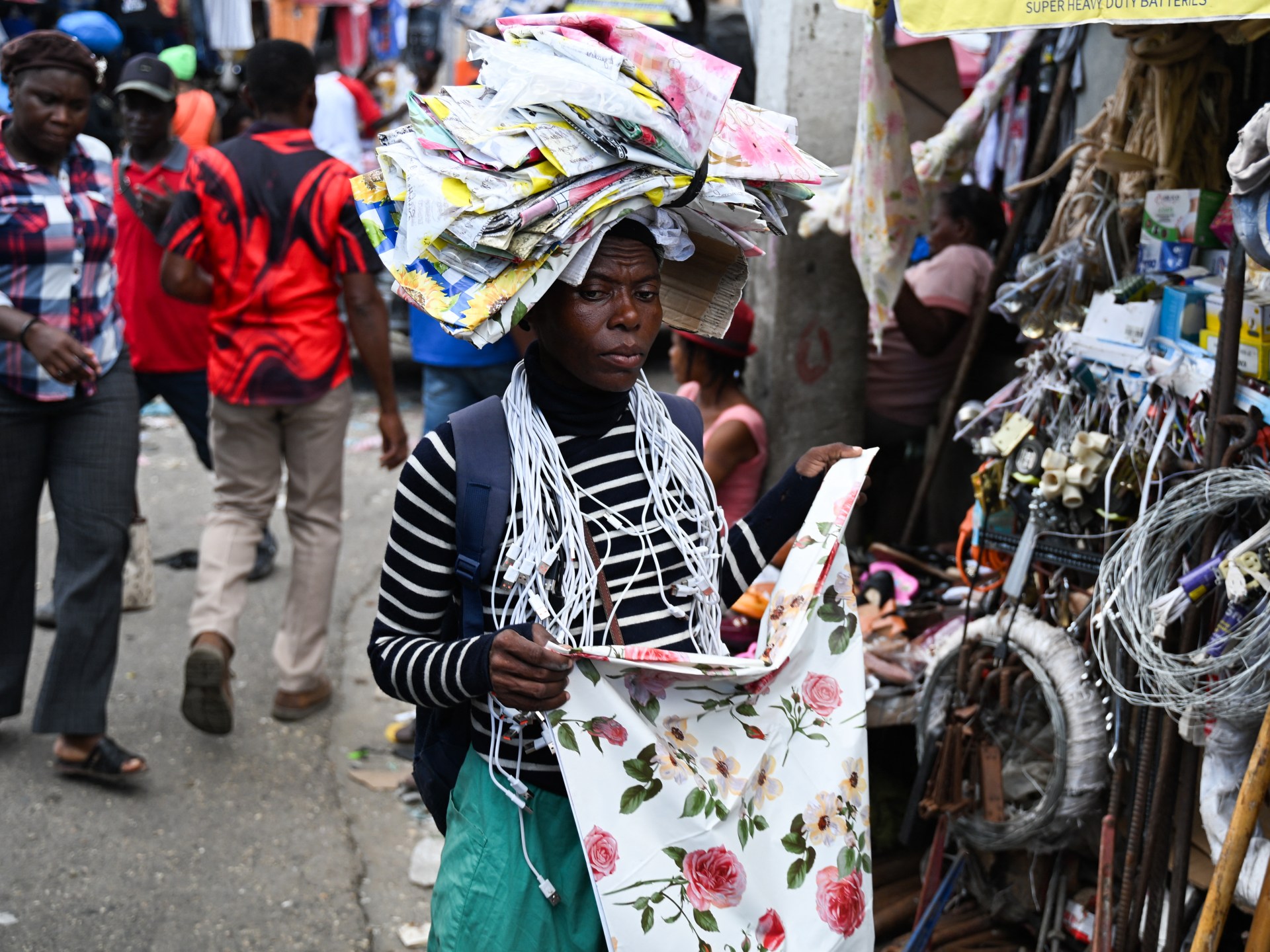
An international food security assessment released on Wednesday found that 5.94 million Haitians face acute hunger, including 1.8 million in emergency conditions, as violence disrupts farming and food deliveries.
The number facing acute hunger is projected to rise to 6.35 million by mid-2027.
Related News

What is potash, and why is the US importing it from Belarus?
Eritrea urges UN to intervene in standoff with Ethiopia

Hegseth says firing squad execution of Fort Hood shooter will be ‘public’