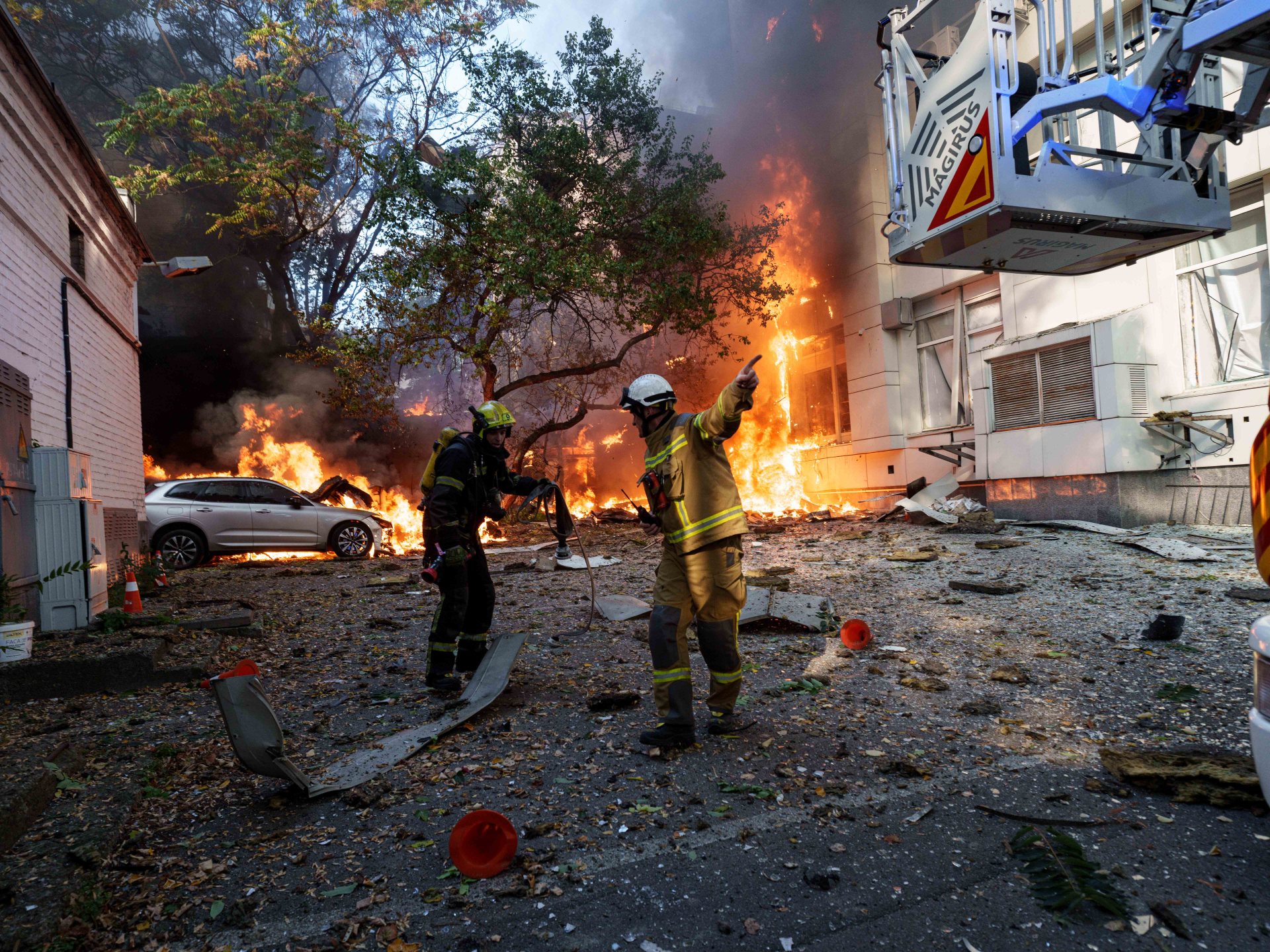



A projectile has struck Saudi Arabia’s King Khalid International airport, killing one person and injuring 11, according to the country’s civil aviation authority.
The General Authority of Civil Aviation (GACA) identified the deceased in Sunday’s attack as a Pakistani resident and said the injured were transferred to several hospitals for medical care.
- list 1 of 3Yemeni government’s military says its forces advancing against Houthis
- list 2 of 3Why are Houthi missiles breaking through Saudi Arabia’s air defences?
- list 3 of 3Iran’s FM urges diplomacy in call with Saudi counterpart
end of list
The strike on terminals 3 and 4, which serve domestic flights, occurred a day after a Houthi missile hit the airport, killing 12 people and wounding more than 300, according to the Saudi-led coalition fighting Iran-backed Houthi rebels in Yemen.
India’s embassy in Saudi Arabia said one of its citizens died on Sunday of injuries sustained in Saturday’s attack, which would bring the toll to 13.
Following Sunday’s attack, GACA said damage assessments and safety inspections of the airport were under way.
A witness on board a taxiing aircraft at the airport told the Reuters news agency that a projectile struck the tarmac next to several parked planes at about 8:30pm (17:30 GMT) on Sunday, causing a fire.
The witness said the aircraft returned to the gate, where the passengers disembarked and were told to leave.
The Riyadh airport has been struck four times in the past five days. Houthi attacks on King Khalid airport on Thursday killed at least three Saudi citizens, including a pilot, according to GACA.
The airport has been closed since Saturday’s attack, which was the deadliest in the country since the US-Israel war on Iran began in late February.
Advertisement
The Houthis claimed responsibility for the strikes before Sunday’s.
The airport attacks have escalated the war in Yemen and threaten to draw in the US military. US President Donald Trump says he is weighing whether to join the fight against the Houthis.
The escalation puts further pressure on global oil supplies and prices, as well as on commercial shipping through the Bab al-Mandeb strait off the Yemeni coast, a crucial alternative waterway to the Strait of Hormuz.
Trump had said he intends to speak with Saudi Crown Prince Mohammed bin Salman, who is seeking help against the Houthis, but there were no signs on Sunday that the US president had followed up on his claim.
There are fears that US intervention could prompt the Houthis to halt shipping through Bab al-Mandeb, further restricting the flow of oil out of the Gulf.
The rebels seized key areas along the strait last month. The Saudi-led coalition, backing forces loyal to Yemen’s internationally recognised government, has been trying to seize them back.
Related News

China vs US: Who is winning the AI race, in four charts
UK ‘threatens to expel 27 Israeli diplomats’ over Jerusalem consulate
Italian law to give election winners bonus seats: Why that’s controversial